
"coffee production Haiti"
800 article(s) found

Coffee mellow Journey (12) Haitian Coffee-fragrant "gone with the Wind"
Haiti was the first independent country in Latin America and the first black republic. Although it is now one of the poorest countries in the world, Haiti has a glorious past. In 1780, 40% of sugar and 60% of coffee on the European market came from Haiti. Haiti produces more of these agricultural products than the entire West Indies combined. In 1791, sugar production in Haiti

Description of flavor and flavor of washed iron pickup coffee from Haiti in the Caribbean
Professional barista communication please follow the coffee workshop (Wechat official account cafe_style) ■ country: Haiti ■ Manor: COOPCAB ■ production area: ThIOTTE ■ treatment: pure water washed after the natural sun ■ harvest time: 2014 ■ varieties: Typica ■ appearance: 17-18screen ■ Certification: FLO Haiti is an island country located in the Caribbean, belonging to the Cordillera Mountains

Introduction to coffee growing area and growing environment in Port-au-Prince, Haiti
Most of the coffee produced in Haiti is grown in a purely natural state, which is not intentional but the result of material shortages because coffee farmers are too poor to buy fungicides, insecticides and fertilizers. On the contrary, this makes the coffee produced in Haiti the most natural and pollution-free. Haitian coffee has full grains, rich flavor, medium to low acidity and mild taste.

Rich flavor, mild taste, Port-au-Prince, Haiti coffee
Most of the coffee produced in Haiti is grown in a purely natural state, which is not intentional but the result of material shortages because coffee farmers are too poor to buy fungicides, insecticides and fertilizers. On the contrary, this makes the coffee produced in Haiti the most natural and pollution-free. Haitian coffee has full granules, rich flavor, medium to low acidity and warm taste.

Introduction of Dominica Coffee single Bean Flavor description Variety planting Development History production area treatment method
Communication of professional baristas Please follow the coffee workshop (official Wechat account cafe_style) coffee in Dominica is grown in highlands and lowlands, and the taste is slightly different. The upland is sour, but the taste is rich; the lowland is less sour and tastes smoother. In recent years, boutique coffee is popular. The high-quality coffee beans produced by some Dominican estates have rich aroma and mellow taste.

The Blue Mountains of Cuba? The Blue Mountains of Haiti? What other knockoffs do you have for Jamaican Blue Mountain coffee beans?
Professional coffee knowledge exchange more coffee bean information please follow the coffee workshop (Wechat official account cafe_style) holy name Blue Mountain (Blue Mountain) several times someone asked about Cuba Blue Mountain Coffee, Haiti Blue Mountain Coffee. When I first heard the Blue Mountain Coffee in Cuba, I really had the feeling of Zhanger King Kong. What were you talking about? I can't hear you at all. Later, more and more people want to know about Haitian blue.

A symbol of high quality: Dominica washes coffee beans
Following Cafe (Wechat official account vdailycom) found that Beautiful Cafe opened a small shop of its own the Dominican Republic is located in the east of the Central Haitian Island in the West Indies, the Republic of Haiti is bordered by the Republic of Haiti to the west, the Atlantic Ocean to the north and the Caribbean Sea to the south. With an area of about 49000 square kilometers and a population of 7.1 million, the Dominican Republic and the Republic of Haiti coexist on an island bordering Haiti.
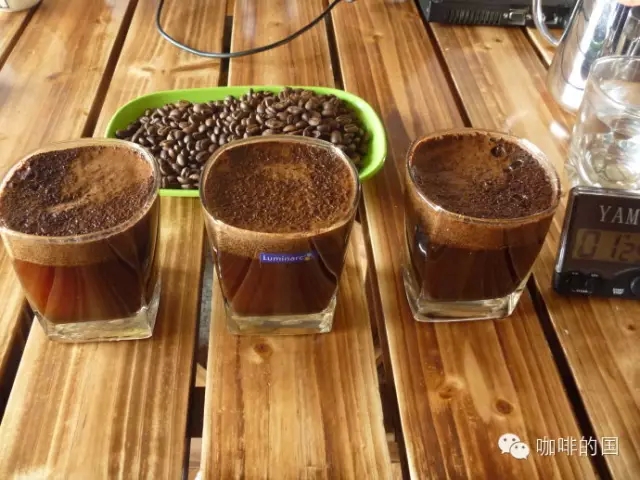
Which coffee beans are recommended by China Coffee Network? Different from coffee produced in Haiti, Dominican coffee
Dominica's delicious, sweet, full-grained coffee the Dominican Republic (DominicanRepublic) is next to Haiti, and both have the island of Hispaniola (Hispaniola). Like its neighbours, the Dominican Republic had a history of revolution and poverty, but now it has democratic elections and the country is relatively stable. In the early 18th century, coffee began
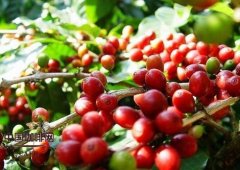
Unlike the coffee produced in Haiti, most of the coffee grown in the Dominican Republic has been washed.
Delicious, sweet, full-grained coffee the Dominican Republic (DominicanRepublic) is next to Haiti, and both own the island of Hispaniola (Hispaniola). Like its neighbours, the Dominican Republic had a history of revolution and poverty, but now it has democratic elections and the country is relatively stable. In the early 18th century, coffee began in Dominica

Characteristics of Dominica coffee beans in Dominica coffee producing areas
The Dominican Republic is located in the east of the island of Haiti in the West Indies, bordering the Republic of Haiti to the west, the Atlantic Ocean to the north and the Caribbean Sea to the south. With an area of about 49000 square kilometers and a population of 7.1 million, the Dominican Republic and the Republic of Haiti coexist on an island bordering Haiti. Like its neighbors, the Dominican Republic had a history of revolution and poverty, but now

Those declining coffee bean plantations
Editor's note: the world's most famous coffee shop, the use of coffee is carefully selected, there is a special attention. At present, many people like to make their own coffee, such as milk coffee, left-handed coffee and so on, which must be concerned about coffee beans. But do you know the growing base of coffee beans? Next, follow the editor to read the article! Haiti: a forgotten place

Introduction of Dominica coffee with full grains and excellent acidity
Flavor and taste characteristics: fresh and elegant, full particles, excellent acidity, pleasant aroma. The Dominican Republic is located in the east of the island of Haiti in the West Indies, bordering the Republic of Haiti to the west, the Atlantic Ocean to the north and the Caribbean Sea to the south. With an area of about 49000 square kilometers and a population of 7.1 million, the Dominican Republic and the Republic of Haiti coexist on an island bordering Haiti. Like its neighbors.

Introduction of fresh, elegant and full-grained Dominican coffee
Flavor and taste characteristics: fresh and elegant, full particles, excellent acidity, pleasant aroma. The Dominican Republic is located in the east of the island of Haiti in the West Indies, bordering the Republic of Haiti to the west, the Atlantic Ocean to the north and the Caribbean Sea to the south. With an area of about 49000 square kilometers and a population of 7.1 million, the Dominican Republic and the Republic of Haiti coexist on an island bordering Haiti. Like its neighbors.
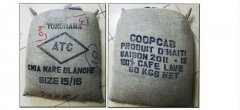
Haitian Fine Coffee Mare Blanche COOP CAB Coffee grower Cooperative
The mention of Haiti has to remind people of the 2010 Haiti earthquake and the poverty and backwardness of the region, no one will remember Haitian coffee, because the local production conditions are extremely backward and the growth of coffee trees can only be achieved by the unique local climatic conditions, while Thio-tte Mare Blanche in southeastern Haiti has the unique climatic conditions for producing quality coffee. Mare
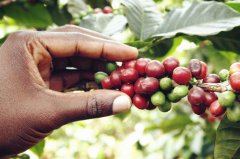
Haitian Coffee individual Coffee Coffee Bean growing area
Haiti is trying to produce some high-quality coffee, despite well-known problems and fluctuating coffee quality from politically troubled countries. Most of the coffee produced in Haiti is grown in a purely natural state, which is not intentional but the result of material shortage because farmers are too poor to buy it.

Introduction to the characteristics of Dominican Santo Domingo Coffee Flavor Manor
In 1795, France and Spain signed the Basel Peace Treaty in Switzerland, agreeing to cede the Santo Domingo area in the eastern part of the island of Dominica to France, making the Spanish island a complete French colony. Six years later, Toussaint Lovidur, a black Haitian, led other black slaves to revolt against French rule and captured Santo Domingo in 1801.

Cuban Crystal Coffee grown in Haiti-Cuban Coffee producing country
Cuban Crystal Coffee in the early 19th century, a French colonist named ConstantinRousseau, who grew coffee in Haiti, fled to Cuba because of the country's massive slave uprising. After arriving in Cuba, he returned to his old job and set up a coffee garden in the GranPiedra area of Santiago province. This guy has 30 slaves, including a beautiful female slave named MariaIsabel.

Dominica Coffee Flavor with a faint fragrance introduction to the characteristics of the manor producing area
But nine weeks later, in February 1822, the president of Haiti, Jean-Pierre Bouyer, occupied Spain and Haiti, and once again completed the reunification of the island. After Boyer occupied the eastern Spanish state of Haiti and liberated all the local slaves, Bouyer ordered the confiscation of the land of the white landlords and the complete return of the agricultural land of the whole country. Boyer closed all the universities at the same time, putting 18-2

Santo Domingo Coffee Estate Breed Flavor Introduction
Western Hispaniola, harvested in the mountains above 1500 meters, full grain coffee The Dominican Republic and Haiti are neighbors, and both have Hispaniola. The best production site is Barahona in the southwest, but Juncalito and Ocoa are also

Full-grained Dominican Coffee Flavor and Taste introduction to boutique coffee beans in manor area
In 1677, about 4,000 French lived in 11 villages in the west of the island. In 1697, France and Spain ceded the western part of the island to France according to the Leswick Treaty of the Alliance War, formally recognizing French sovereignty over Haiti in the western part of the Spanish island, and the eastern part of the Spanish island was called East Santo Domingo. France continues to develop its agricultural economy on the island of Hispaniola.